
How Your Thoughts Control the Quality of Your Life: The Science Behind Mind Programming
Did you know that you're living on autopilot 90% of the time? Here's how to take back control and transform your reality through intentional mind programming.

The Shocking Truth About Your Daily Mental State
Research reveals that most of us operate in a reactive state of mind for approximately 90% of our conscious day. This means that for the vast majority of your waking hours, you're not consciously choosing your responses – you're simply reacting to the world around you based on deeply ingrained patterns, beliefs, and automatic thoughts that have been building since childhood.
But here's what makes this even more significant: most of the actions you take are rooted in the self-talk and perceptions you hold about the world around you. Your subconscious mind is constantly running programs in the background, determining how you interpret events, how you feel about yourself, and what actions you take next.
Think about your morning routine. Most people wake up and follow the same sequence of actions without conscious thought. Or consider how you automatically react when someone criticizes you, or when you face a setback. These aren't deliberate choices in the moment – they're programmed responses.
Why Your Subconscious Mind Programming Matters More Than You Think
When you consider that 90% of your responses are happening automatically, without conscious awareness, it becomes crystal clear why controlling your belief system and internal dialogue is absolutely crucial to creating the life you want.
Think of your brain as an incredibly sophisticated computer that's been programmed over years of experiences, conversations, observations, and emotional events. Just like any computer, it will continue running the same programs until someone deliberately updates the software.
The Programming You Didn't Consciously Choose
If you're not consciously programming your mind, then several other forces are doing the programming for you:
Childhood experiences and family patterns that taught you what's possible (or impossible)
Traumatic events that created protective beliefs designed to keep you safe
Social conditioning from culture, media, and peer groups about who you should be
Random external influences that you've absorbed without questioning their validity
Repeated failures or rejections that created limiting beliefs about your worthiness
Unfortunately, most of this unconscious programming isn't designed to help you thrive – it's designed to keep you safe, small, and stuck in familiar patterns (even when those patterns are painful).
The Hidden Cost of Living on Autopilot
When you're operating from 90% autopilot, you're essentially letting your past run your present and future. This creates several predictable problems:
The Repetition Cycle: You keep attracting the same situations, the same types of partners, the same career challenges, because you're unconsciously recreating the familiar patterns your mind recognizes.
The Ceiling Effect: You plateau at whatever level you believe is possible for you. If deep down you don't believe you deserve success, wealth, or love, you'll sabotage opportunities that would give you those things.
The Victim Mentality: When you're reactive rather than proactive, you feel like things happen to you rather than because of you. This erodes your sense of personal power.
The Anxiety Loop: Your autopilot programming often defaults to worst-case scenarios, keeping you in a state of chronic low-level anxiety and stress.
The Missed Potential: Every day you operate on autopilot is a day you're not consciously creating the life you actually want.
The Power of Intentional Mind Programming
This is exactly why it's so important to consistently feed your mind with positivity and deliberately 'program' your subconscious mind to react in ways that support your desired outcomes and goals.
When you take control of this process, you're essentially rewriting the software that runs your life. Instead of operating from fear-based programming or limiting beliefs picked up along the way, you can install new programs that support:
Confidence instead of self-doubt
Abundance thinking instead of scarcity mindset
Solution-focused responses instead of problem-focused reactions
Self-compassion instead of harsh inner criticism
Optimism instead of automatic negativity
Resilience instead of giving up at the first obstacle
Self-trust instead of second-guessing every decision
How Brain Neuroplasticity Makes This Possible
The good news? Your brain is plastic. This means it can change, adapt, and create new neural pathways throughout your entire life. You're never too old, never too damaged, and never too stuck to reprogram your mind.
Every time you consciously choose a new thought, speak a positive affirmation, or visualize a desired outcome, you're literally creating new neural connections in your brain. Neuroscientists call this neuroplasticity – the brain's ability to physically reorganize itself by forming new neural connections.
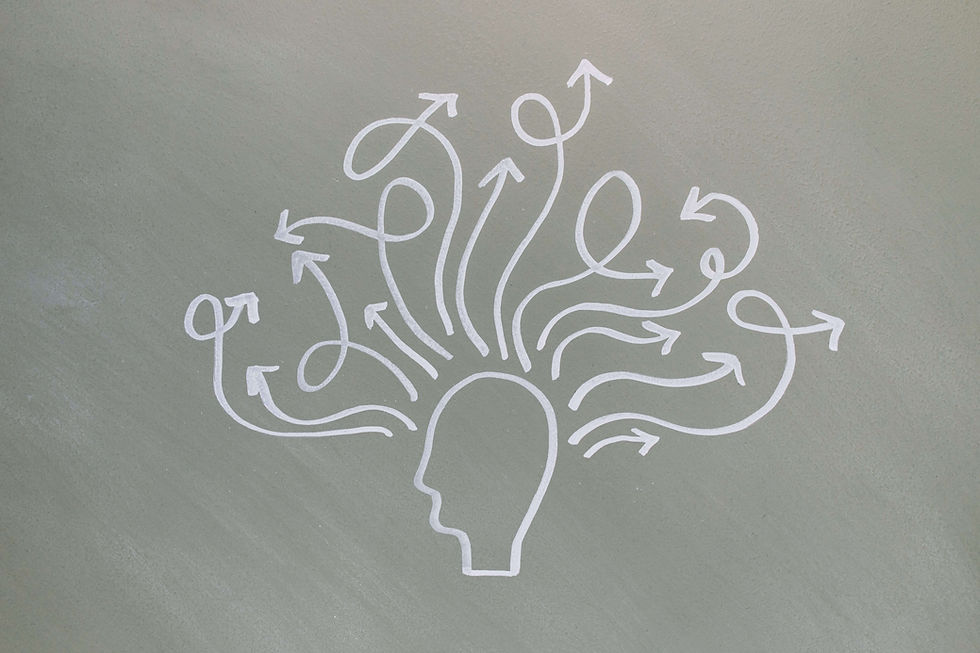
With repetition, these new neural pathways become stronger and more automatic. Eventually, what started as a conscious effort becomes your new autopilot programming. You've literally rewired your brain.
This is why affirmations work. This is why visualization is powerful. This is why changing your self-talk can transform your life. You're not just thinking positive thoughts – you're physically rebuilding your brain's neural architecture.
Simple Daily Practices to Reprogram Your Mind
The beautiful thing about understanding how your mind works is that you can start making changes immediately. Here are some powerful ways to begin reprogramming your subconscious:
1. Daily Affirmations: Speak Your Future Into Existence
Write and speak positive affirmations that reflect who you're becoming, not just who you are today. Your subconscious mind doesn't distinguish between what's currently true and what you consistently tell it is true.
The key is specificity and emotion. Instead of vague affirmations like "I'm successful," try: "I am building a thriving business that helps thousands of people, and I feel grateful and proud of my impact every single day."
Repeat these affirmations out loud, multiple times daily, ideally while looking at yourself in the mirror. This activates multiple sensory pathways in your brain and makes the programming more powerful.
Pro tip: Write your affirmations in present tense, as if they're already true. Your subconscious responds to present-tense language far more effectively than future-tense language.
2. Positive Self-Talk: Become the Voice in Your Head
Become aware of your internal dialogue throughout the day. Most people are shocked when they actually start paying attention to how much negative self-talk they're engaging in.
Common negative self-talk patterns include:
"I'm not smart enough"
"I always mess things up"
"Nobody really likes me"
"I don't deserve this"
"I'm too old/young/damaged"
When you catch this negative self-talk, pause and consciously choose a more supportive thought. Don't just suppress the negative – actively replace it with something positive and true.
For example:
From "I'm not smart enough" → "I'm intelligent and capable, and I learn from every experience"
From "I always mess things up" → "I'm doing my best, and my mistakes are teaching me valuable lessons"
From "Nobody really likes me" → "I'm a worthy person, and authentic people are drawn to my genuine nature"
3. Visualization: Create a Mental Blueprint of Your Future
Spend time each day (even just 5-10 minutes) imagining your desired outcomes in vivid detail. Don't just think about your goals abstractly – actually see, feel, and experience them in your mind's eye.
Your subconscious mind responds powerfully to clear, emotionally-charged mental images. When you visualize yourself succeeding, feeling confident, or living your dream life, your brain literally registers this as experience. The neural pathways activated during visualization are nearly identical to those activated during actual experience.
The visualization formula:
Find a quiet, comfortable place
Close your eyes and picture your desired outcome in specific detail
Engage all five senses – what do you see, hear, smell, taste, touch?
Feel the emotions associated with achieving this goal
Spend 5-10 minutes in this visualization daily
Do this consistently for at least 30 days to reprogram your subconscious
4. Gratitude Practice: Rewire Your Perception Filters
Train your brain to look for what's working in your life rather than what's wrong. This rewires your automatic perception filters – the part of your brain that decides what to focus on.
Your brain has a built-in negativity bias. It evolved to look for threats and problems (to keep you alive). But in modern life, this bias keeps you stuck in a scarcity mindset, always focused on what's lacking.
A daily gratitude practice reverses this. When you consistently focus on what you're grateful for, you're literally training your brain to automatically notice more things to be grateful for.
Simple gratitude practice:
Each morning or evening, write down 3-5 specific things you're grateful for
Don't just list them – actually feel the gratitude in your body
Be specific: instead of "my family," try "the way my daughter laughed at breakfast this morning"
Include things from different life areas: relationships, health, personal growth, experiences, material items
Over time, your autopilot brain will begin automatically scanning for positive things instead of problems.
5. Journaling: Excavate and Reprogram Your Beliefs
Writing is one of the most underrated tools for reprogramming your mind. When you write, you're engaging multiple parts of your brain simultaneously – language centers, memory centers, emotional centers.

Use journaling to:
Identify limiting beliefs: Write about areas where you feel stuck. What beliefs underlie these situations?
Challenge old programming: Once you identify a limiting belief, write out evidence against it. How many times have you overcome obstacles? What strengths do you actually possess?
Reinforce new beliefs: Write about who you're becoming and why you believe in this new version of yourself
Process emotions: Writing helps you metabolize difficult emotions rather than suppressing them
Track progress: Document the shifts you notice as you reprogram your mind
Journaling for just 10-15 minutes daily can accelerate your mental reprogramming significantly.
6. Environmental Design: Surround Yourself With Supportive Messaging
Your environment is constantly programming your subconscious mind. The books you read, the people you spend time with, the podcasts you listen to, the images on your walls – all of these are sending messages to your brain about what's possible and who you are.
Audit your environment:
What messages are your social media feeds sending you?
Are the people in your life supporting your growth or dragging you down?
What books, podcasts, and content are you consuming?
What images, quotes, or visual reminders do you see daily?
Deliberately design your environment to support the person you're becoming:
Follow inspirational accounts instead of comparison-inducing ones
Surround yourself with people who believe in you and your potential
Read books and listen to podcasts from people who've achieved what you want
Put inspiring quotes where you'll see them daily
Create a vision board with images of your desired future
Understanding the Timeline: When Will You See Results?
One common question people ask: "How long does it take to reprogram my mind?"
The answer depends on several factors:
Consistency: Daily practice produces faster results than sporadic effort
Intensity of belief: The stronger you emotionally engage with new beliefs, the faster they integrate
Age of limiting belief: Beliefs you've held since childhood may take longer to shift than recent ones
Amount of resistance: If part of you still believes the old programming, it will slow the process
General timeline:
Weeks 1-2: You'll notice subtle shifts in your awareness and mood
Weeks 3-6: You'll catch yourself thinking differently and making different choices
Weeks 7-12: New patterns will start feeling more natural and automatic
Month 4+: Your new programming becomes your new default autopilot
Most people report noticeable changes within 30 days of consistent daily practice. Significant life transformation typically takes 90 days to 6 months of dedicated effort.
The Science Behind Why This Works
Your thoughts don't just feel real – they create real changes in your brain and body:
Chemical Changes: When you think positive thoughts, your brain releases dopamine (motivation), serotonin (mood), and endorphins (well-being). When you think negative thoughts, your brain releases cortisol (stress hormone). Over time, you're literally chemically rewiring your brain.
Behavioral Changes: Your thoughts influence your emotions, which influence your behavior. Better thoughts → better emotions → better decisions → better results.
Identity Alignment: As you reprogram your mind, your self-concept shifts. You begin to see yourself differently, and you naturally take actions consistent with this new self-image.
Opportunity Recognition: Your brain's reticular activating system (RAS) filters the massive amount of information coming at you daily. When you reprogram your beliefs about what's possible, your RAS starts noticing opportunities that were always there but that you couldn't see before.
Overcoming Common Reprogramming Obstacles
As you begin this journey, you'll likely encounter some challenges:
Obstacle #1: Resistance and Self-Sabotage
Your subconscious mind, despite its limitations, also has a primary function: keeping you safe and maintaining consistency with your self-image. When you try to reprogram it with beliefs that contradict your current self-concept, it will resist.
This resistance often shows up as:
Self-sabotage: Just when things start improving, you unconsciously create a problem
Imposter syndrome: Feeling like a fraud when you start experiencing success
Fear and anxiety: Unexpected worry emerging as you approach your goals
Old patterns returning: Finding yourself reverting to familiar negative thoughts under stress
How to overcome it:
Understand that resistance is normal and expected – it's not a sign you're failing
Go slowly enough that your mind can adjust to the new programming
Use self-compassion rather than criticism when you slip back into old patterns
Remind yourself that your subconscious is trying to protect you, even if it's doing so ineffectively
Give yourself permission to evolve and change, even if it feels uncomfortable
Obstacle #2: Impatience and Inconsistency
Most people expect rapid results but abandon the practice after a few weeks when they don't see dramatic changes. Then they conclude that mind reprogramming doesn't work.
The truth is: it works, but it requires consistency. Your brain didn't develop limiting beliefs overnight, and it won't release them overnight either.
How to overcome it:
Commit to a minimum of 90 days of daily practice before evaluating results
Track small wins: mood improvements, better sleep, increased confidence, better relationships
Create accountability by sharing your goals with someone or joining a community
Celebrate progress, not just outcomes
Remember that even on days when you don't see external results, you're rewiring your brain at the neural level
Obstacle #3: Trying to Think Your Way Out
Some people try to reprogram their minds purely through intellectual understanding. They think, "I know my belief is limiting, therefore I should be able to change it."
But beliefs live in your emotional/subconscious brain, not your logical brain. That's why affirmations feel silly at first… you're trying to reprogram your emotional brain using your logical brain.
How to overcome it:
Engage your emotions, not just your intellect
Feel the affirmations, don't just say them
Use visualization to create emotional experience
Include body-based practices like breathwork or movement
Work with a therapist or coach if deep trauma is blocking change
Obstacle #4: Comparing Your Progress to Others
Social media makes it easy to compare your Day 30 to someone else's Day 300. This creates discouragement and the false belief that mind reprogramming isn't working for you.
How to overcome it:
Stop comparing your internal journey to others' external highlight reels
Focus only on your own progress
Remember that everyone's timeline is different based on their starting point
Celebrate the unique shifts happening in your life
Unfollow accounts that trigger comparison and discouragement
Real-Life Transformation: What Becomes Possible
When you successfully reprogram your mind, remarkable things become possible:
Career & Finance: People who reprogram from scarcity to abundance thinking naturally make better financial decisions, take calculated risks, and create multiple income streams. They advance in their careers faster because they believe they're capable.
Relationships: People who reprogram from "I'm unlovable" to "I'm worthy of love" attract healthier partners and create more fulfilling relationships. They stop accepting poor treatment because their internal programming no longer allows it.
Health: People who reprogram their identity from "I'm unhealthy" to "I'm a healthy person" naturally make choices aligned with health. They exercise consistently, eat well, and recover from illness more quickly because their mind supports their body's healing.
Creativity & Innovation: When you reprogram limiting beliefs about your creativity or intelligence, you unlock creative potential you didn't know you had. Ideas flow more freely, and you take action on them.
Resilience & Mental Health: People who reprogram their minds develop genuine resilience. They bounce back from setbacks faster, experience less anxiety and depression, and develop a fundamental belief in their ability to handle life's challenges.
Purpose & Fulfillment: Perhaps most importantly, mind reprogramming allows you to align your life with your authentic values and desires. Instead of living someone else's script, you create your own.
Your Starting Point: Where to Begin Today
You don't need to implement all of these practices at once. Start with what resonates most with you:
If you're a verbal processor: Start with daily affirmations and positive self-talk practices.
If you're a visual person: Begin with visualization and creating a vision board.
If you're analytical: Journaling to identify and challenge limiting beliefs will appeal to you.
If you're social: Find an accountability partner or join a community focused on personal growth.
If you're kinesthetic: Combine affirmations with movement, breathwork, or body-based practices.
Pick one or two practices and commit to them for 30 days. Make them non-negotiable, like brushing your teeth. After 30 days, add another practice if you want.
The Bottom Line
Your mind is not fixed. You are not stuck with the programming you've received. Your brain is plastic, adaptable, and responsive to conscious effort.
The beliefs that have been limiting you, about your intelligence, worthiness, capabilities, and potential, are not facts. They're just programming. And programming can be changed.
Every single day, you have the opportunity to reprogram your mind. Every affirmation, every positive thought, every visualization, every time you choose a supportive belief over a limiting one, you're literally rewiring your brain.
This isn't positive thinking for its own sake. This is neuroscience-backed, practical brain reprogramming that produces real results in your life.
The question isn't whether you can reprogram your mind. The question is: will you?
Your future self is waiting for you to make the decision to change your programming today.
Schedule a consultation with me to learn more.


Comments